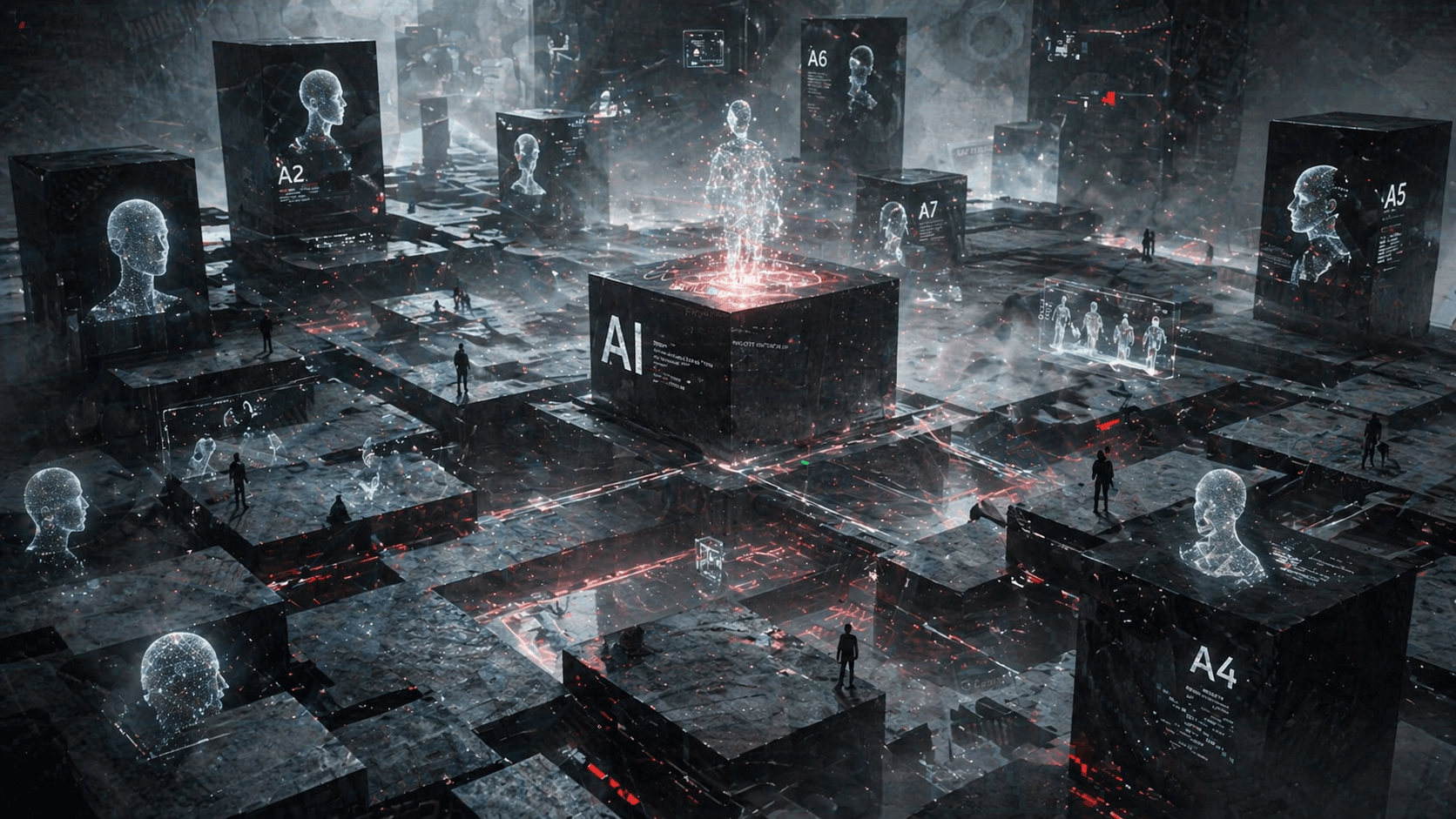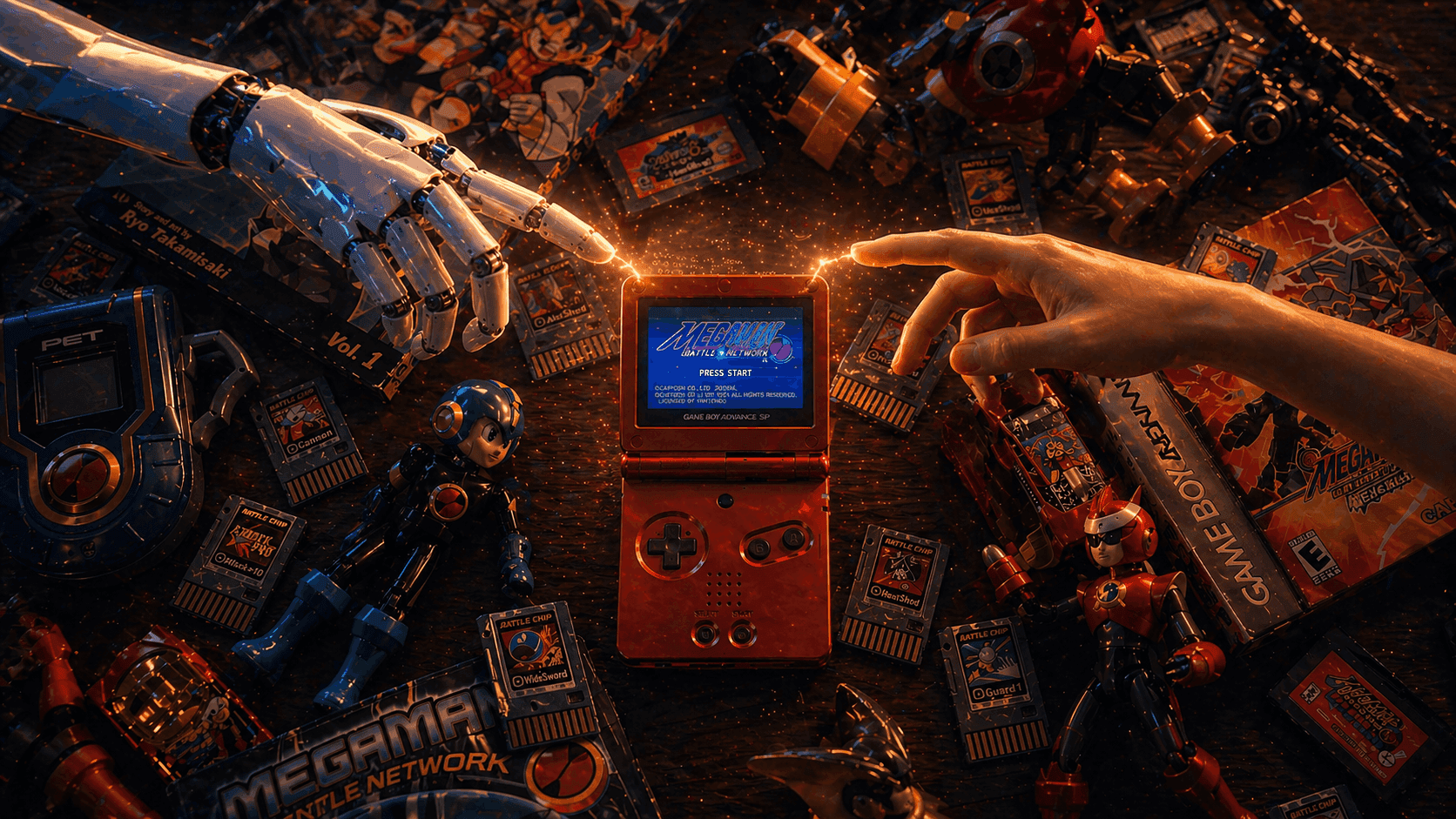
Web4 feels like my childhood games becoming real without us even noticing
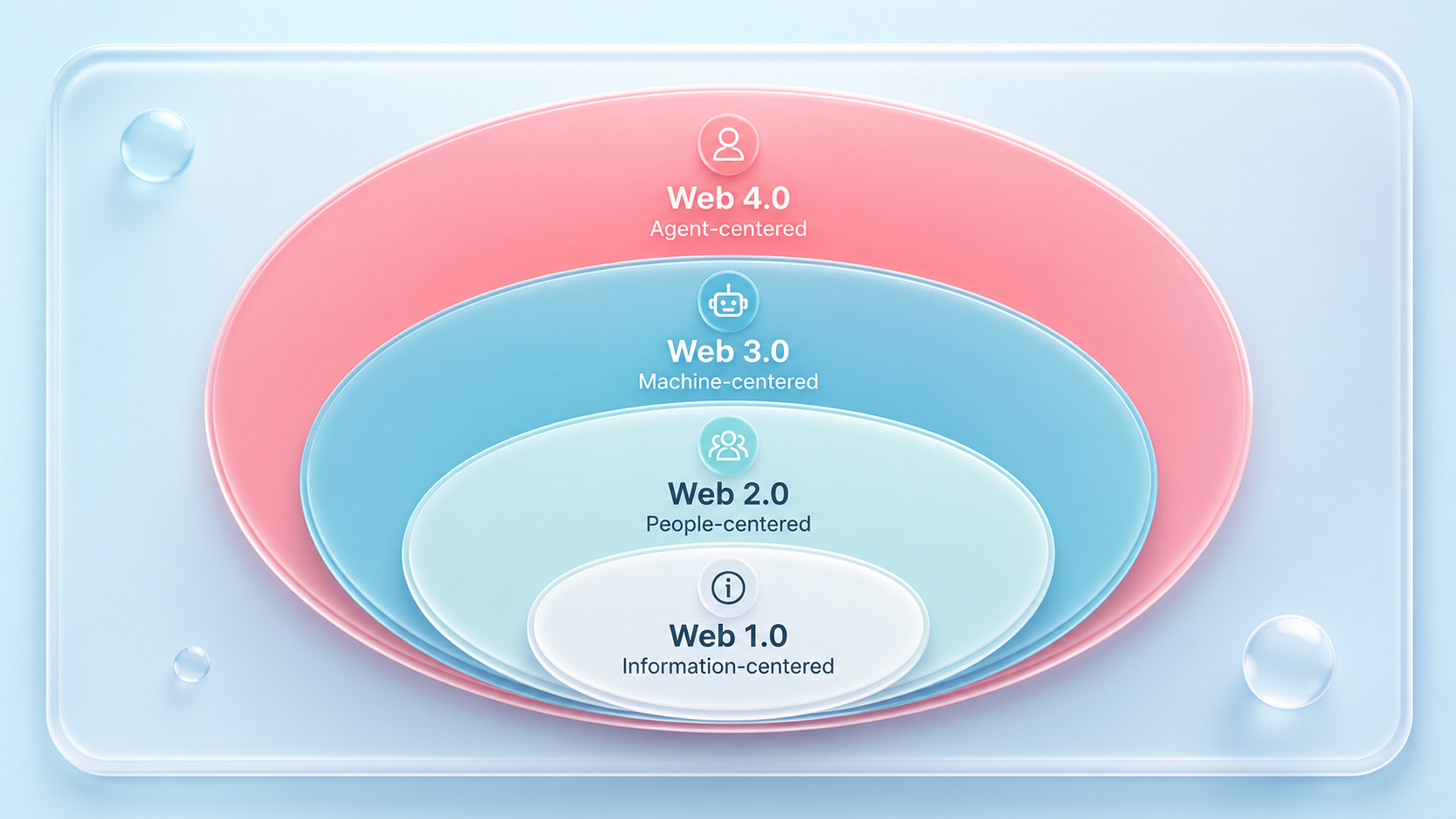
Web4 isn’t officially defined yet. But if history is any guide, it never is at the beginning.
None of the previous “web eras” were clearly labeled while they were forming. They only became recognizable after they had already taken hold and started reshaping how people interacted with technology.
Take Web3. Most people didn’t initially care about digital ledgers. It only became meaningful once it evolved into something broader. Systems of ownership. Trust without intermediaries. New ways to verify and transact. The term “Web3” didn’t create the movement. It named something that was already happening.
Web4 feels like it’s following the same pattern.
The groundwork was already there
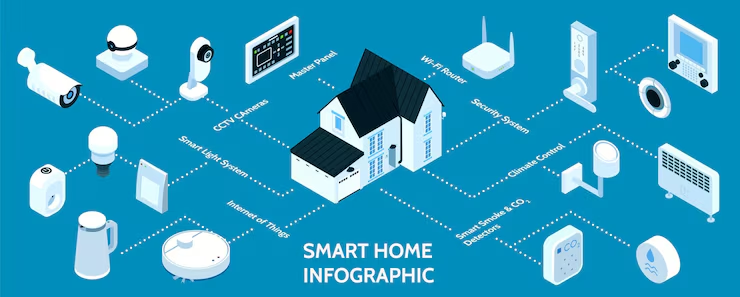
The Internet of Things has been around for years. Smart homes, connected devices, wearables. It reached maturity, but never quite felt like a revolution. It stayed contained, growing quietly.
But in hindsight, IoT wasn’t the end goal. It was infrastructure.
It connected the physical world to digital systems. It made environments programmable. It created surfaces for interaction beyond screens.
On its own, it felt incremental.
Combined with AI, it starts to feel like something else entirely.
The shift from interaction to delegation
The integration of large language models into everyday tools is changing the nature of interaction itself.
We’re no longer just clicking, navigating, or searching. We’re starting to delegate.
You ask, and something acts on your behalf.
- organize a spreadsheet
- draft a presentation
- summarize documents
- plan a trip based on your calendar
A system that doesn’t just respond, but operates.
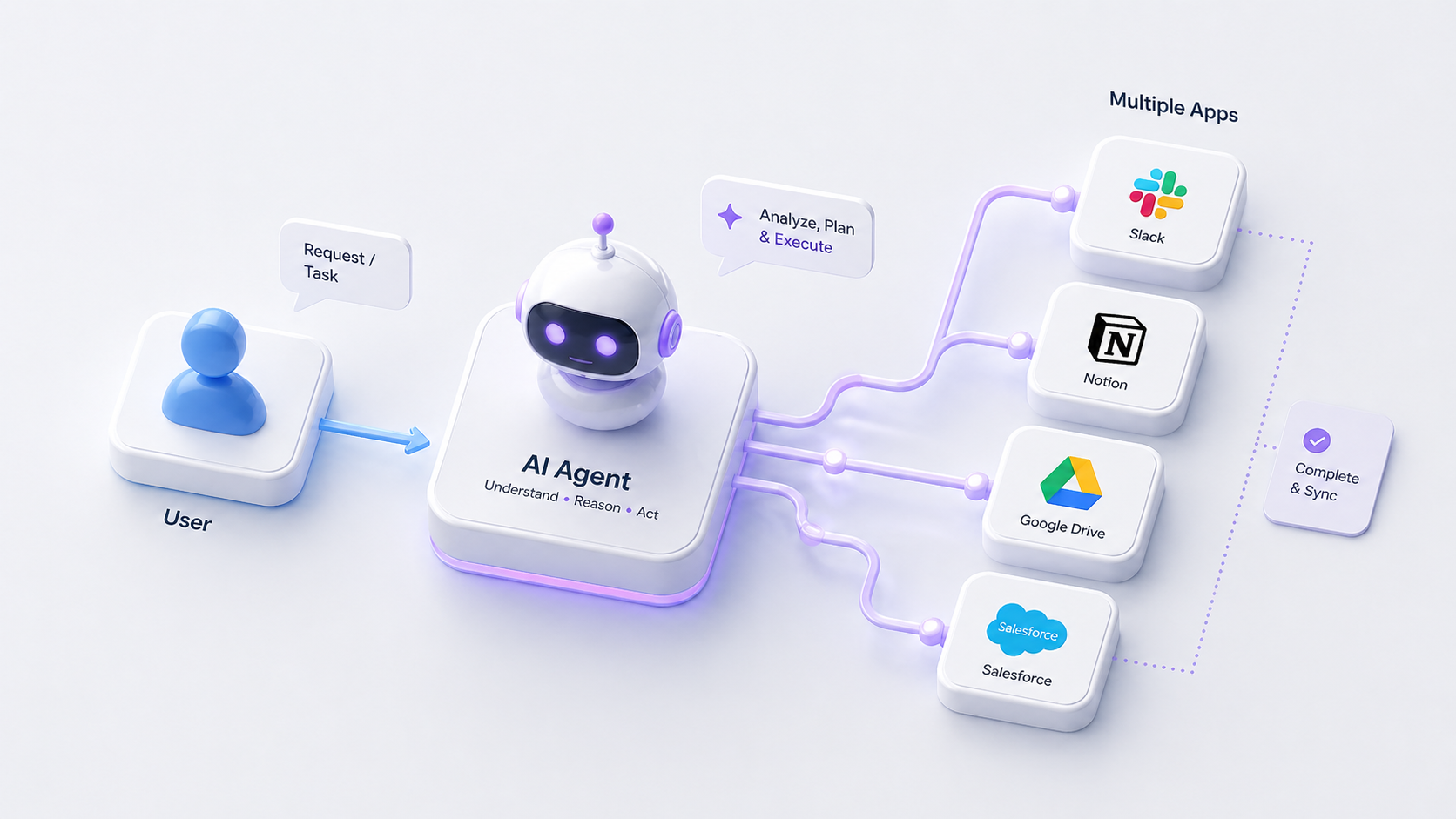
The digital butler is here
When you combine AI with access to tools, files, and environments, you get something that feels closer to a personal operator than a tool.
A system that:
- understands your context
- remembers your patterns
- executes tasks across systems
A digital butler.
Not perfect. Not autonomous in the sci-fi sense. But clearly moving in that direction.
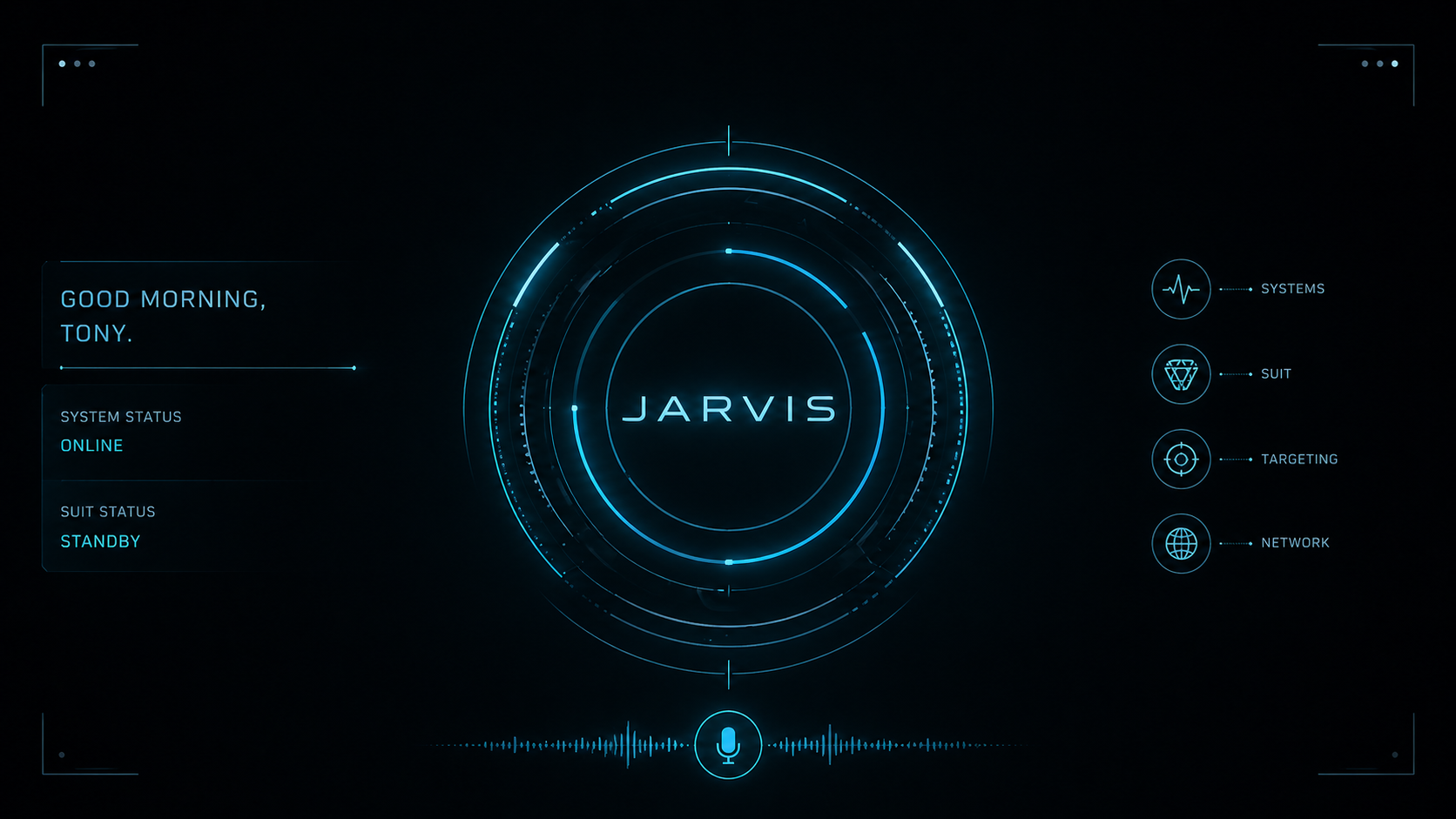
And this is where something familiar starts to emerge.
We’ve seen this before
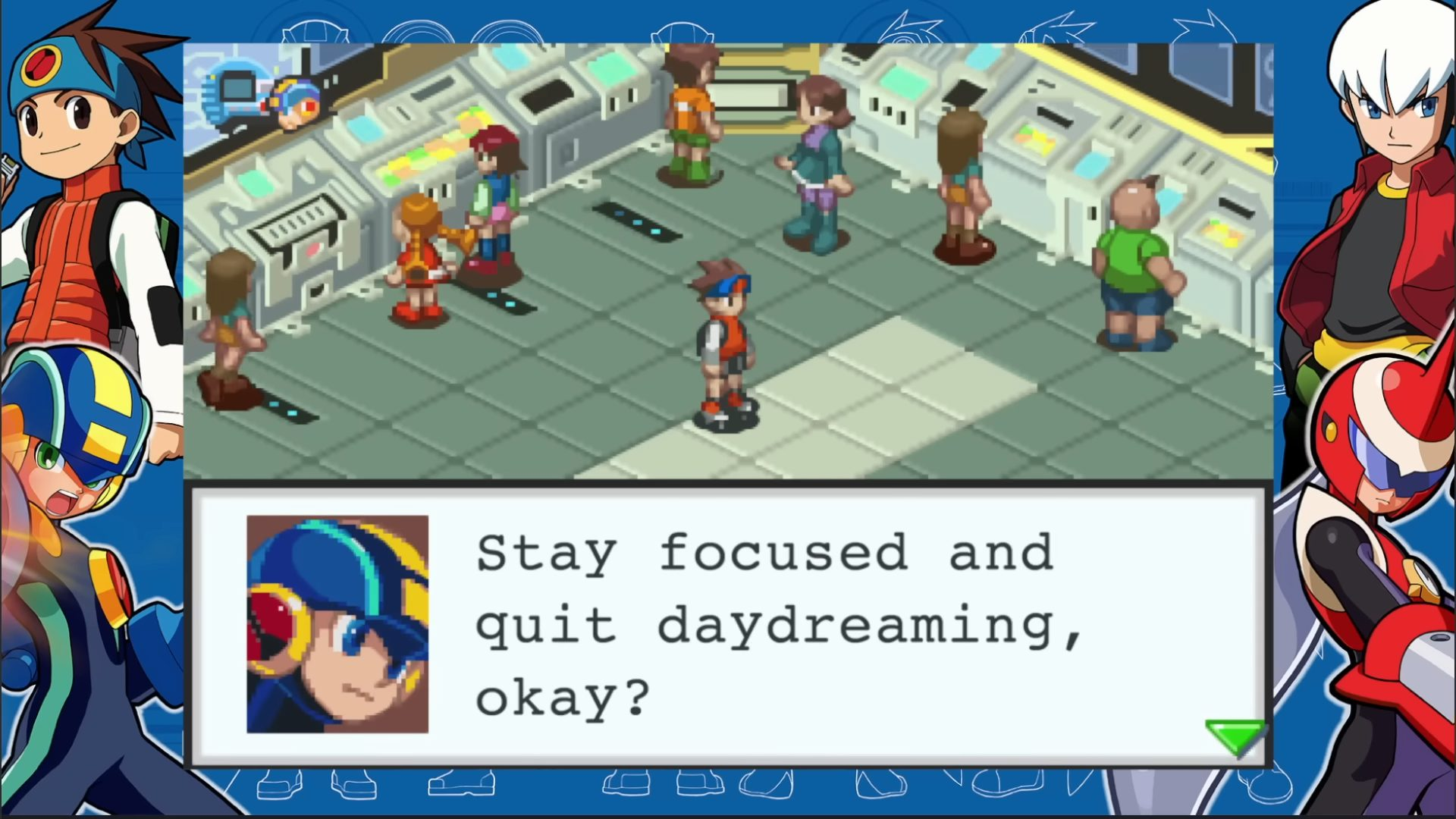
In Mega Man Battle Network, people didn’t directly interact with the network.
They had NetNavis.
Digital companions that moved through a fully connected world of systems, devices, and infrastructure. When something needed to be done, you didn’t open menus or apps. You sent your Navi.
It handled the work for you.
At the time, it felt like a stylized version of the future.
Now it feels more like a rough blueprint.
The part that doesn’t get talked about
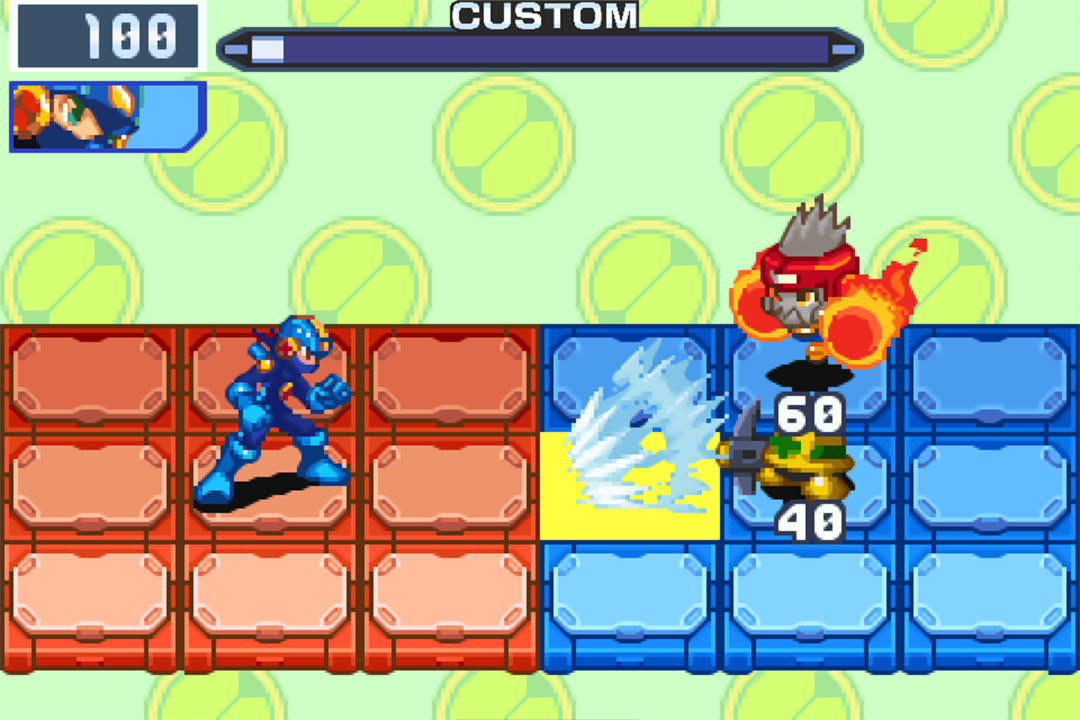
That world wasn’t stable.
There were viruses.
There were attacks.
There were systems that got compromised.
Antagonists like Dr. Wily were known for hacking and reprogramming systems, turning trusted programs into threats.
That detail matters more than the aesthetics.
Because the closer we get to agent-based systems, the more relevant that risk becomes.
The real risk isn’t dramatic failure
It’s subtle failure.
You’ve already seen early versions of it:
- AI drifting from instructions
- systems looping or over-correcting
- outputs that sound right but aren’t
- tools that agree too easily
- have access to your accounts
- can act on your behalf
- operate across multiple platforms
It just needs to be slightly wrong, consistently.
Convenience has a cost
There’s a trade happening, whether people acknowledge it or not.
We trade skill for convenience.
Navigation became GPS.
Memory became search.
Research became summarization.
Now control itself is starting to shift.
If a system can plan your day, manage your tasks, and execute decisions, what are you still actively doing?
At what point does delegation become dependency?
The illusion of companionship
One of the defining ideas in Mega Man’s world was the relationship between humans and their NetNavis. There was loyalty. Trust. Even a sense of friendship.
That doesn’t translate cleanly to reality.
Your AI is not your friend.
It doesn’t have intent. It doesn’t have loyalty. It doesn’t have understanding in the human sense.
It is a system trained to predict outputs based on patterns. An extremely advanced one, but still a system.
It can simulate alignment.
It can simulate personality.
It can simulate care.
But simulation is not the same as reality.
Final thought
Web4 may not arrive with a clear definition or a formal announcement.
It may not even feel like a transition.
Just a gradual shift:
Less clicking.
Less searching.
More telling.
More approving.
More things happening without direct action.
Until eventually, you realize something has changed.
You’re no longer using the internet.
Something is using it for you.