
Why AI-Generated Frontends Still Feel Cheap
AI Can Generate Interfaces. It Still Struggles to Build Product Maturity
AI-generated frontends have improved fast.
A few prompts can now produce a landing page, dashboard, onboarding flow, form, animation, or even a full React component tree in seconds. The output often looks convincing right away. Clean layout, modern typography, polished spacing, and enough motion to make it feel current.
But that first impression does not always hold up.
Spend a little more time using these interfaces and something starts to feel off. Not broken, exactly. Just thin. The UI looks complete, but it does not feel like a product that has gone through real usage, production pressure, and the kind of tradeoffs that shape software over time.
That gap is becoming easier to notice now that AI-assisted development is part of everyday work. The tools are clearly useful, but they also create a new kind of risk. They can produce something that feels close enough to done that teams stop asking harder questions too early.
This is especially true in frontend work.
Good at screens, not always products
AI is very good at generating screens. It can assemble layouts, produce component structures, apply utility classes, and imitate familiar product patterns with impressive speed. If the goal is to get a modern-looking interface up quickly, it already does that well.
That matters. Fast scaffolding is useful. Drafting visual directions in minutes instead of hours changes how teams explore ideas.
Still, frontend quality has never been measured by how quickly a screen appears. The real test starts after the first render, when the interface has to deal with uncertain data, awkward content, broken assumptions, and user behavior that no prompt fully captures.
Where the cracks show
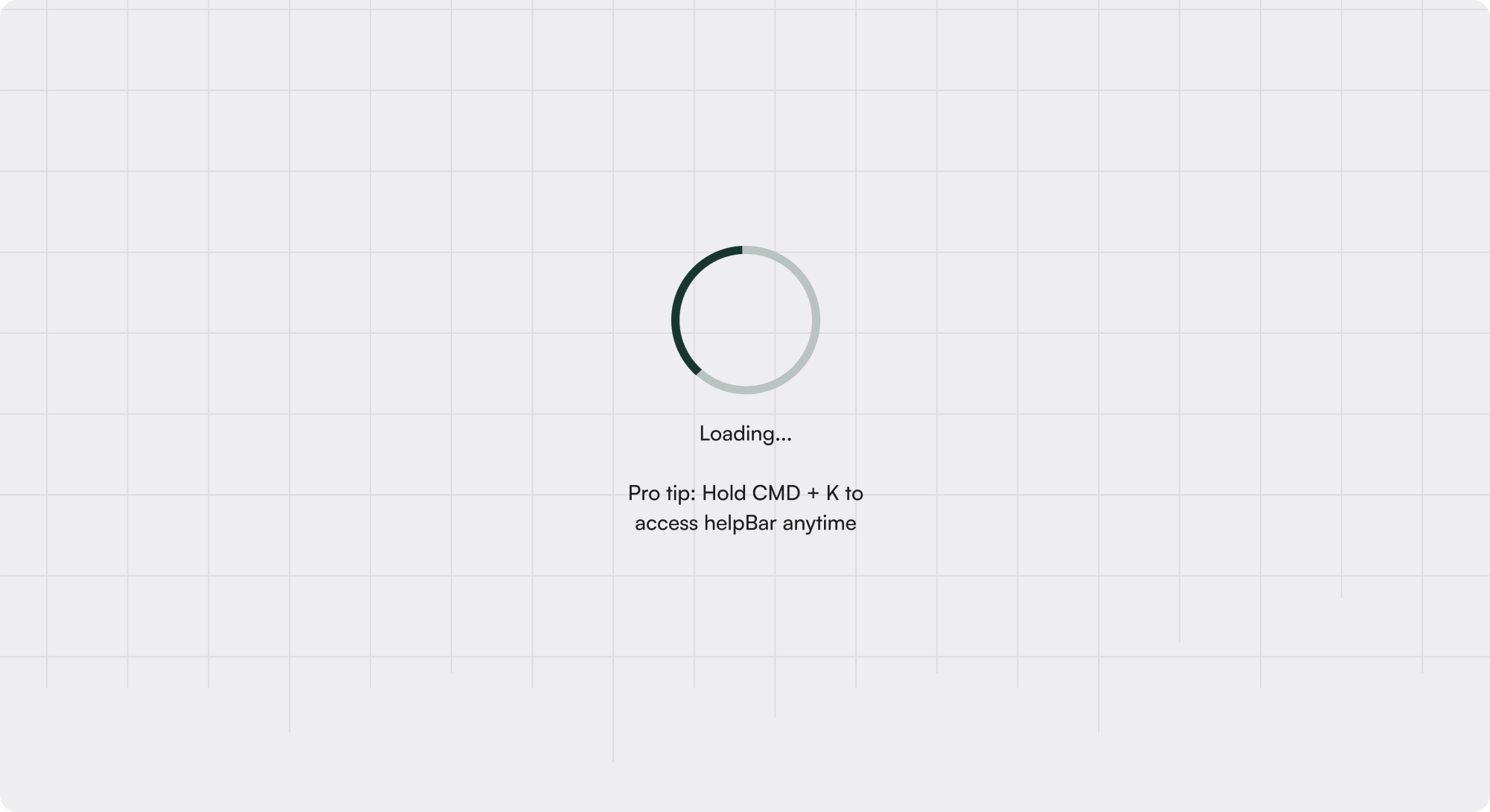
Most AI-generated frontends are built around ideal conditions. Data loads on time. API responses are clean. Text fits into the space it was given. Every action follows the expected path.
Production systems rarely behave that way.
Real products have to survive slow requests, inconsistent backend responses, expired authentication, empty states, long user-generated content, failed submissions, and strange mobile browser behavior. These are not unusual interruptions. They are part of normal operation.
A frontend that handles this well usually reflects many rounds of adjustment. Someone noticed what users were struggling with. Someone tightened the loading behavior, fixed unstable layouts, simplified an interaction, or added a fallback that only became necessary after something went wrong in the real world.
That is hard to fake with a prompt alone.
The sameness problem
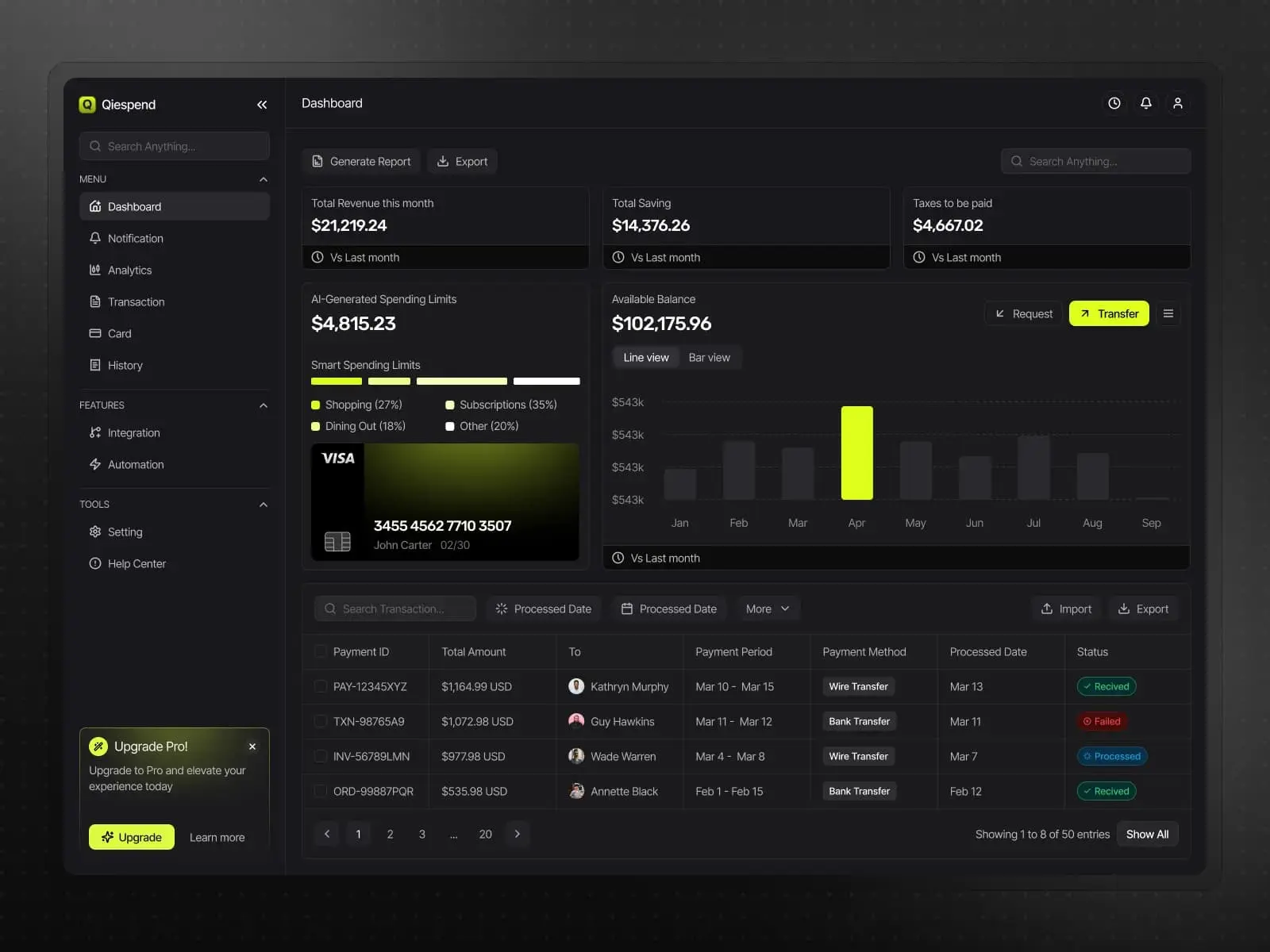
There is also a growing sameness in AI-generated frontend design. After enough exposure, the patterns start to blur together. Large hero sections, soft gradients, rounded cards, generic charts, glossy dashboards, placeholder metrics, and polished but interchangeable marketing copy.
None of this is inherently bad. The problem is that it often reflects a borrowed sense of taste rather than a product with a point of view.
Real interfaces usually become distinct because they are shaped by context. Support tickets, analytics, accessibility requirements, technical limitations, business priorities, and user habits all leave visible marks on the design. Those decisions give a product its character.
Without that context, the result can look modern without feeling specific.
Interaction reveals more than visuals
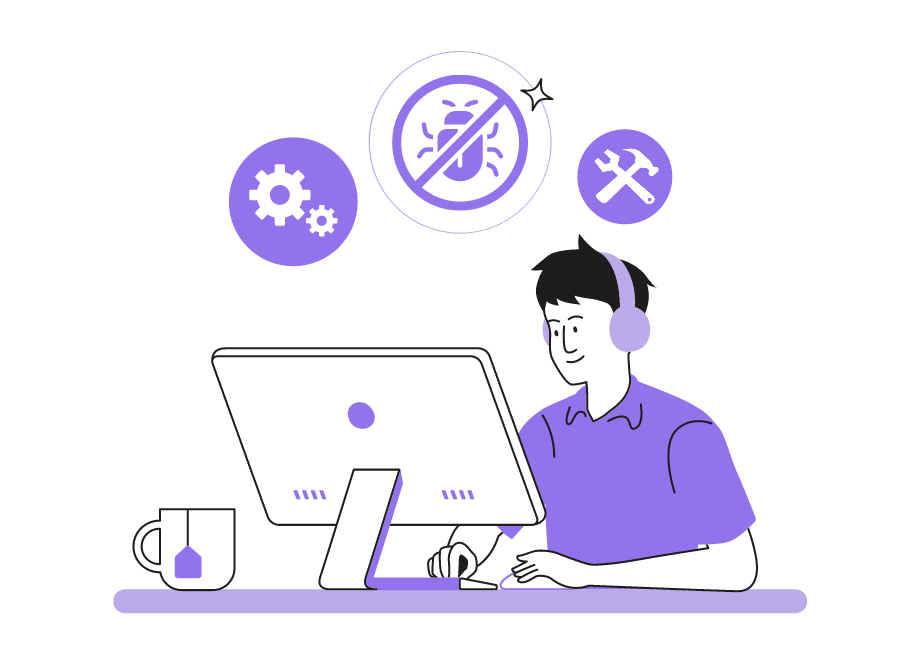
A frontend can look good in a screenshot and still feel cheap during actual use. The issues are often subtle at first. Spacing may feel inconsistent. Navigation may take one step too many. Animations may be slightly too eager. Feedback may come just a little too late.
Individually, these problems seem minor. Together, they change how trustworthy the product feels.
This is why experienced frontend engineers often react differently to AI-generated UI than people seeing it for the first time. The concern is usually not whether the screen looks polished. It is whether the interaction feels stable, predictable, and considered.
Good frontend work is often invisible in exactly that way. When it is done well, people do not stop to admire it. They just keep moving.
What still matters
AI is already changing frontend workflows for the better. It helps with scaffolding, repetitive structures, boilerplate, prototyping, and early iteration. That productivity gain is real.
But as generating code gets easier, judgment becomes more important. The harder questions are not about whether a model can produce a component quickly. They are about what should exist, what should be removed, what will hold up under change, and what users will actually experience when conditions are less than ideal.
That is why the most useful frontend skill is shifting away from typing speed and toward discernment. Product judgment, system thinking, accessibility awareness, and a feel for interaction quality matter more when polished output is cheap.
Finished too early
The problem is not that AI makes bad frontends.
The problem is that it makes frontends look finished earlier than they really are.
That illusion can be expensive. A polished first draft can hide fragile state management, accessibility gaps, weak architecture, and performance issues that only show up once the interface is exposed to real usage. If visual completeness gets mistaken for production readiness, the cleanup comes later, usually at a higher cost.
AI can already generate interfaces that look ready.
What it still struggles to generate consistently is product maturity.